Small Changes, Big Impact: Smarter Waste Management for Businesses
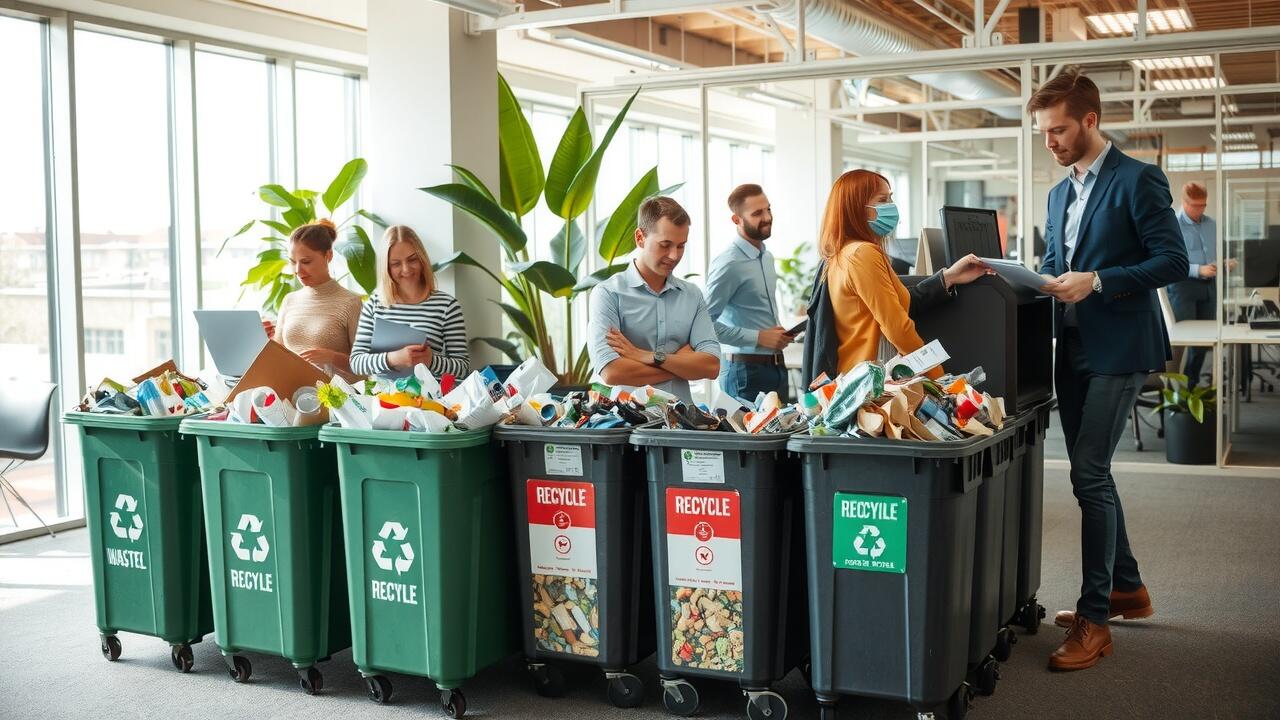
For many businesses, waste management is something that happens in the background. Materials are placed in bins, collected, and taken away. But what if businesses looked at waste differently—not simply as something to dispose of, but as something that can be reduced, recovered, recycled, and managed more efficiently?
Small changes in everyday operations can make a meaningful difference. From improving recycling practices to reducing food waste, businesses have several practical opportunities to create more responsible waste-management systems.
Start by Understanding Your Waste
One of the best places to begin is with a simple waste assessment.
Businesses can look at what they throw away each day or week and identify the materials that make up the largest portion of their waste. This may include cardboard, paper, plastics, food scraps, packaging materials, and general waste.
Understanding these waste streams makes it easier to identify opportunities for reduction and recycling.
A waste audit can help answer important questions:
What types of waste does the business generate most often?
Which materials could be recycled?
How much food or organic waste is being discarded?
Are employees separating recyclable materials correctly?
Could packaging or purchasing practices be improved?
Even basic observations can reveal opportunities for improvement.
Make Recycling Easier
A recycling program works best when employees know exactly what belongs in each collection container.
Clearly labeled bins, simple instructions, and regular employee awareness can help businesses improve material separation. Keeping recyclable materials separate from general waste can also reduce contamination and make recovery more effective.
Businesses can review common materials such as cardboard, paper, metals, and suitable plastics to determine which items can be diverted from the general waste stream.
Take a Closer Look at Food Waste
Restaurants, food-service businesses, retailers, offices, and other organizations may generate considerable amounts of organic waste.
Instead of treating all food waste as general trash, businesses can explore appropriate composting and organic waste recovery options. Food waste composting can help divert suitable organic materials from disposal while creating useful compost materials.
Reducing food waste at the source is equally important. Businesses can examine purchasing, storage, preparation, and inventory practices to identify where unnecessary food waste occurs.
Reduce Plastic Waste
Plastic products and packaging can represent a significant part of many business waste streams.
Businesses can begin by identifying where unnecessary single-use plastics are being used. Depending on the operation, alternatives such as reusable products, improved packaging choices, or recyclable materials may help reduce waste.
For plastic materials that cannot be eliminated, proper recycling and collection can help ensure that suitable materials are handled through the appropriate waste stream.
Consider Waste Compaction
For businesses that generate substantial quantities of certain types of waste, compaction can help improve waste-handling efficiency.
Waste compaction reduces the physical volume of materials, potentially making storage areas easier to manage and collection processes more efficient. The appropriate solution depends on the type and volume of waste a business produces.
Connect Waste Management With Sustainability
Waste management does not have to operate separately from a company's broader sustainability goals.
Businesses can connect waste reduction with responsible purchasing, resource conservation, recycling, composting, and sustainable agricultural initiatives. Looking at the entire lifecycle of materials can encourage organizations to think about how resources are used before, during, and after their primary purpose.
This approach shifts the focus from simply disposing of waste toward finding better ways to manage resources.
Small Steps Can Become Long-Term Habits
Sustainable waste management does not require every business to make major changes overnight.
A company might begin by improving recycling signage, reducing unnecessary packaging, introducing food waste separation, or tracking the amount of waste it produces. Once these practices become routine, additional improvements can be introduced.
Businesses can also establish measurable goals, such as reducing general waste, increasing recycling rates, or improving organic waste diversion.
The important part is consistency.
Building Better Waste Practices
Smarter waste management starts with understanding what is being discarded and identifying opportunities to reduce, reuse, recycle, or recover materials whenever practical.
ETSA Gwoup Corp supports waste management and sustainability initiatives that include recycling, food waste composting, waste compaction, plastic waste recycling, sustainable agriculture, and community-focused environmental programs.
By making thoughtful changes to everyday waste practices, businesses can work toward more efficient operations while contributing to broader environmental goals.
The journey toward better waste management does not have to begin with a major transformation. Sometimes, small changes really can create a big impact.
Learn more about waste management and sustainability solutions at ETSA Gwoup Corp.


Comments
Post a Comment